
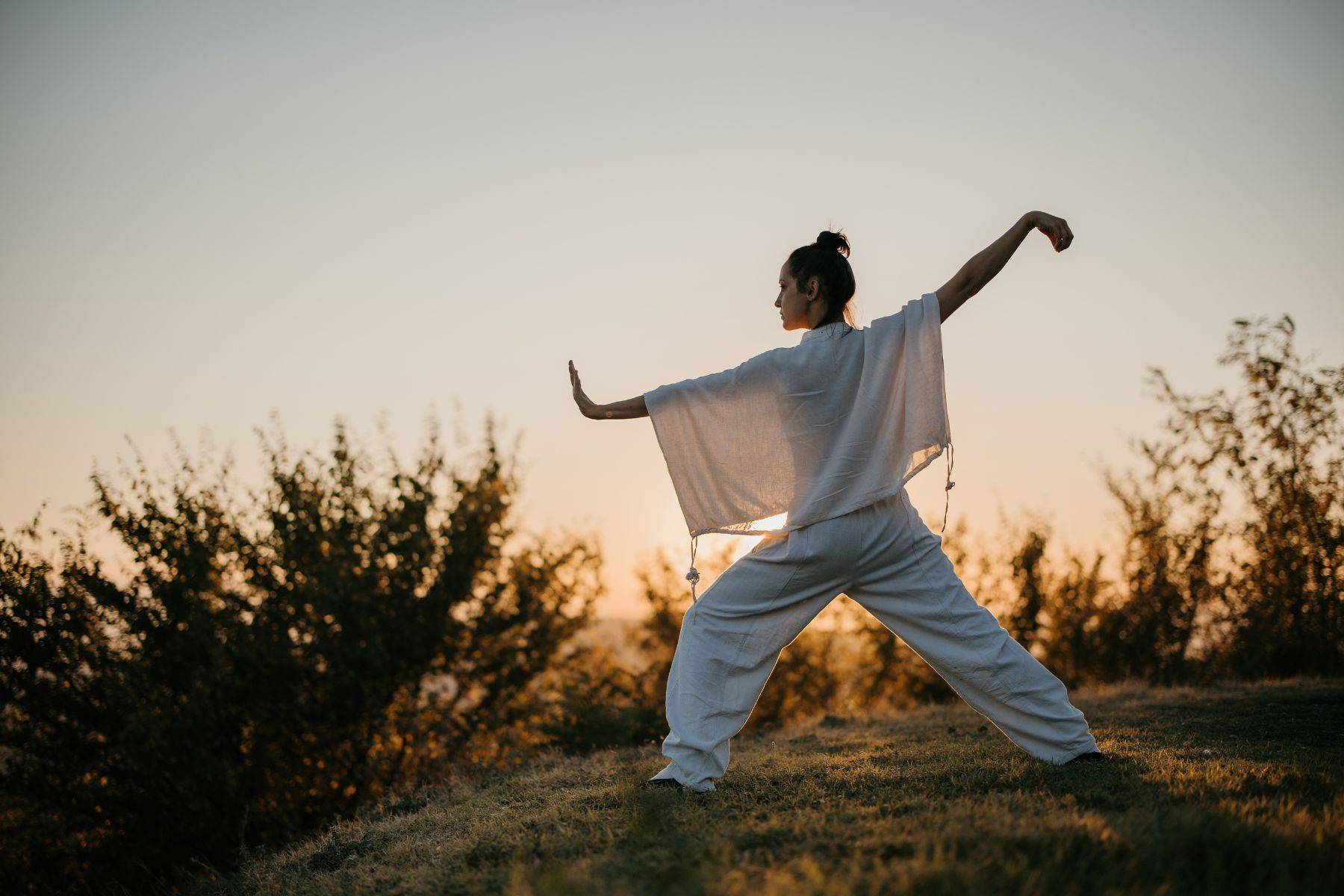

Experience the soul of Asian culture
Explore the profound legacy of Asian artistic traditions through immersive workshops in pottery, painting, calligraphy, and other classical arts. Guided by centuries-old principles, participants encounter the philosophy and beauty of practices such as Tai Chi, shadow puppetry, and traditional Chinese opera while cultivating artistic expression within a thoughtfully curated cultural environment.
Move with meaning. Learn the beauty of Asian arts.
Immerse yourself in the rich heritage of Asian arts with classes available both online and in-person. Learn traditional practices such as Taichi, classical Asian dance, and shadow puppetry, guided by experienced instructors who bring cultural stories to life.
Empowering Asian Artists, Connecting Creative Worlds.
Are you an artist searching for your path and voice? Do you want to connect with fellow Asian artists from around the world, share your work, and grow your presence? Join our platform dedicated to promoting and empowering Asian creatives through community, visibility, and meaningful collaboration.


Unfold the Beauty of Origami
Where Paper Transforms Into Poetry Through Your Hands
Join our Origami workshop and explore the peaceful, precise world of traditional paper folding. Create intricate forms with simple tools and discover the beauty of Japanese design and mindfulness.
What is Origami?
Origami is the traditional Japanese art of folding paper into decorative shapes and figures—often animals, flowers, or geometric designs. With no cuts or glue, each fold carries meaning and intention, turning a simple sheet of paper into a work of art. It’s a creative practice that blends patience, focus, and beauty.
A Brief History of Origami
Origami’s origins trace back over 1,000 years to Japan’s Heian period, though paper folding traditions also existed in China and other parts of Asia. Originally reserved for ceremonial or religious purposes, such as folding offerings for Shinto rituals, origami evolved over time into a widely loved pastime and educational tool.
By the Edo period (1603–1868), origami had become more recreational and was being taught to children as a way to develop spatial reasoning and concentration. The iconic crane (orizuru) became a powerful symbol of peace, particularly after WWII, and is still folded today in memory and hope.
In modern times, origami has become both a traditional and contemporary art form—practised for relaxation, creativity, and even mathematical exploration. Whether it’s a delicate lotus flower or a complex modular structure, origami reflects the balance of form, simplicity, and elegance.
Why Learn Origami?
🔴Reduce stress and improve mental clarity
🔴Develop patience, mindfulness, and creativity
🔴Learn a beautiful, hands-on cultural art
🔴Create meaningful paper works to gift or display
🔴Understand the symbolism and stories behind classic folds
What You’ll Learn in This Workshop
🔴Introduction to the history and philosophy of origami
🔴Basic folds, bases, and traditional forms like cranes and flowers
🔴Tips for precision and paper selection
🔴The cultural meaning behind various origami models
🔴Optional exploration of modular and contemporary origami
Who Is This Workshop For?
This workshop is open to all ages and fitness levels—no experience needed.
🔴Great for all ages and skill levels—especially if you enjoy meditative crafts and cultural arts.
🔴Artists, students, families
🔴Educators and crafters
🔴Curious minds of all backgrounds
Workshop Details
Format: In-person and online
Length: 60–90 minute beginner session or weekly course
Language: English with cultural notes explained
Materials: Origami paper provided in person; supply list for online participants